 Tree Leaf Identifier
Opposite vs Alternate Leaves: Check the Twig First
Quick answer
Opposite leaves attach in pairs at the same node on a twig. Alternate leaves attach individually at successive nodes. Inspect several intact nodes and identify the whole leaf first; a pattern among leaflets is not the same as leaf arrangement.
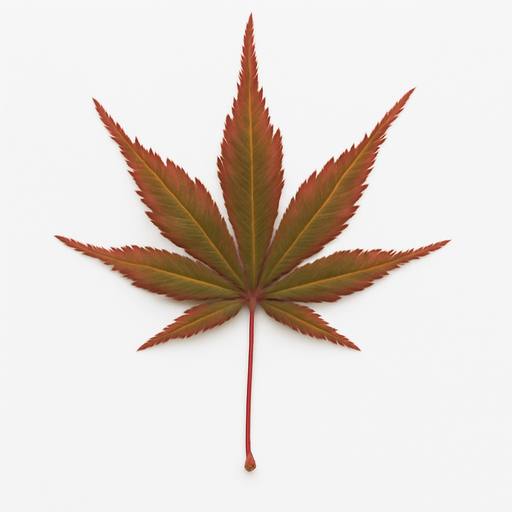

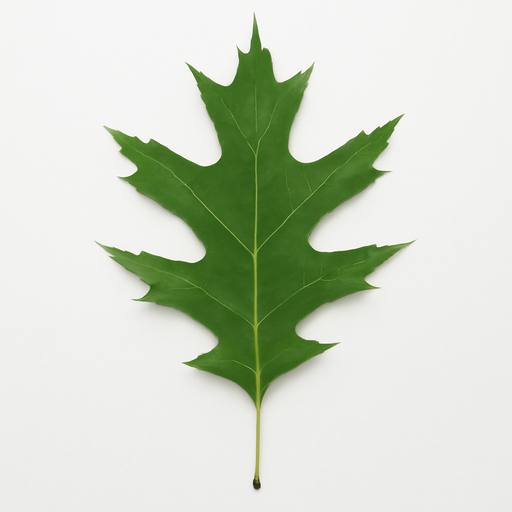

Why a leaf photograph can miss the key clue
A detached leaf can show its edge and veins but cannot show how it attached to the tree. Natural Resources Canada groups broadleaf candidates using both leaf form and twig arrangement. Its key is intended for its regional flora; use a guide appropriate to your own location.
For your next observation, save a twig photograph beside the leaf close-up. A small set of complementary views is easier to check than one enlarged image with the attachment cropped out.
Read nodes, not the apparent direction of the leaves
A node is an attachment position on the stem. Opposite and alternate describe where leaves attach, rather than which way their blades happen to point. Texas A&M Forest Service also distinguishes whorled arrangements, where more than two leaves occur at a node.
- Locate one intact leaf stalk and follow it to the twig.
- Check the same level on the other side of the twig.
- Move along the twig and repeat the observation.
- Record the pattern as opposite, alternate, whorled, or uncertain.
If leaves are missing or the photograph is out of focus, write “uncertain” and collect another view. Avoid drawing a conclusion from the spacing visible at just one position.
Separate leaf arrangement from leaflet arrangement
A compound leaf can contain several leaflets arranged along a shared axis. You need the point where the entire leaf joins the twig. If you are unsure where a leaf ends, use the simple versus compound leaf walkthrough first.
This matters when comparing a photo with a key. An observation made on the wrong structure can send every later decision down the wrong branch, even if the picture itself is sharp.
Use arrangement to test a candidate
Compare the reference profiles for Japanese maple and northern red oak, then look at the twig on the tree you are investigating. Treat the profile as a candidate to test, not a name to copy from the photograph.
Write two columns in your notes: features that support the candidate and features you still need to check. If twig arrangement conflicts with the candidate description, revisit the match before considering color or overall resemblance. Our maple and sycamore comparison shows how arrangement and attached fruit can work together.
Sources and further reading
- Natural Resources Canada: broadleaf identification key
- Texas A&M Forest Service: how to identify trees
Keep exploring
- Pine Needle Identification: Start with the Bundle
- Can You Identify a Tree by Its Bark? What to Photograph
Explore Tree Leaf Identifier for iPhone
Prepared by Tree Leaf Identifier. Updated November 11, 2026. Guides are prepared by the app team; no independent botanical review is claimed.