 Tree Leaf Identifier
Simple vs Compound Leaves: Is It a Leaf or a Leaflet?
Quick answer
A simple leaf has one blade, which may be lobed. A compound leaf has separate leaflets belonging to one leaf. Follow the stalk to the twig and look for the bud at the leaf base before deciding what to count.


Start with the attachment, not the outline
A hand-shaped outline can be misleading. One blade with deep cuts and several separate leaflets may look similar in a tightly cropped photograph. The American Museum of Natural History distinguishes a simple blade from a leaf divided into distinct leaflets. Shape alone does not settle which structure you are looking at.
Before opening a species guide, make an observation note: “one connected blade,” “separate leaflets,” or “attachment not visible.” The third answer is useful. It tells you which photograph you still need instead of forcing a guess.
Follow the stalk back to the twig
Trace the structure toward the woody twig. A bud at the base of a leaf helps separate the whole leaf from its leaflets. A leaflet attachment should not be treated as a twig node. The University of Florida identification guide explains this distinction and illustrates leaf and twig features.
- Take a wide photograph showing the complete structure.
- Take a second photograph where the leaf stalk meets the twig.
- Compare the same attachment on another intact leaf.
- Return to the wide photograph and mark what you now recognize as the whole leaf.
Practice with two named examples
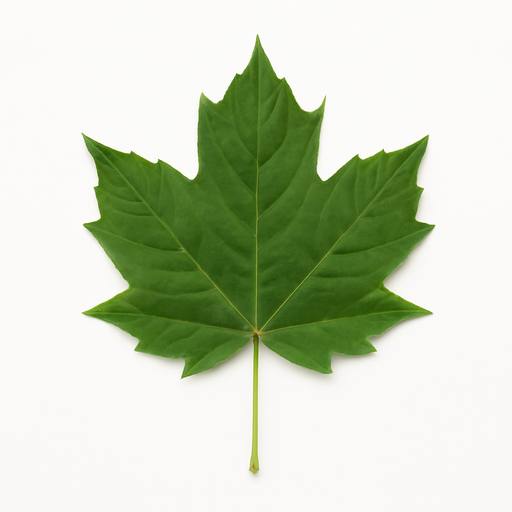
Compare the horse-chestnut profile with sycamore maple. The first illustrates separate leaflets; the second illustrates a lobed, continuous blade. Use the named examples to learn the difference, then check an unfamiliar tree against a regional key.
Do not transfer the name of either example to a new tree just because its outline looks similar. Leaf type is one decision in the identification process. Twig arrangement, edge details, fruit, and location still matter.
What to do with an isolated leaflet
If the stalk is broken or the sample is detached, keep both possibilities in your notes. A practical next step is to find an attached example on a nearby tree and photograph it without removing it. Label the original image “possibly a leaflet” until its connection is clear.
When using a photo identification app, include both the close view and the wider context when the app permits it. Check any suggestion against your attachment photograph. Continue with the opposite versus alternate leaf checklist once you have identified the whole leaf.
Sources and further reading
Keep exploring
- Pine Needle Identification: Start with the Bundle
- Can You Identify a Tree by Its Bark? What to Photograph
Explore Tree Leaf Identifier for iPhone
Prepared by Tree Leaf Identifier. Updated November 11, 2026. Guides are prepared by the app team; no independent botanical review is claimed.