 Tree Leaf Identifier
Identify a Tree by Seeds and Fruit: Keep the Leaf in the Picture
Quick answer
Seeds and fruit can help test a tree identification when you record them with the twig and leaves they belong to. Photograph attached examples where possible; fruit found on the ground does not prove which nearby tree produced it.


Connect the fruit to the tree
Begin with a photograph showing the fruit on its branch, then take a closer view. This links the detailed object to the tree you are investigating. If the object is already on the ground, label the photograph as a ground find and keep its parent tree uncertain.
Do not combine a leaf from one tree and fruit from another into a single confident identification. In parks, gardens, and mixed woodland, make a separate record for each observed attachment.
Compare two reference examples
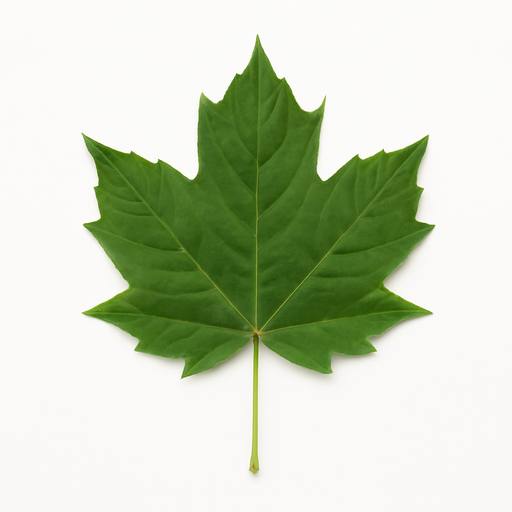
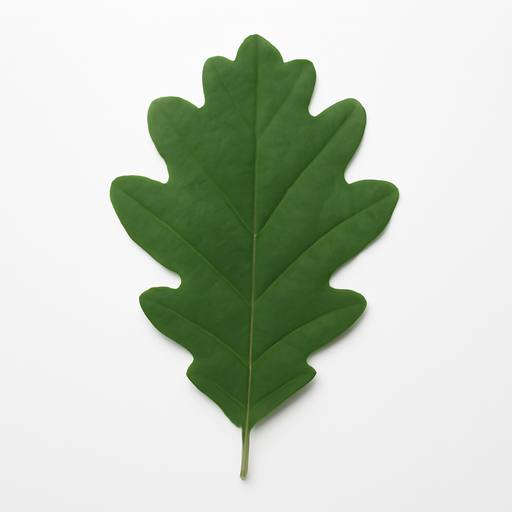
Sycamore maple (Acer pseudoplatanus) produces winged samaras, while white oak (Quercus alba) produces acorns. Their NC State Extension profiles provide descriptions and photographs of these structures. These examples illustrate different kinds of evidence; neither fruit category by itself identifies every tree that produces something similar.
Compare the sycamore maple profile and white oak profile with the whole observation record, including leaves. The photographs on this page are leaf reference images, not proof that a fruit you found belongs to either species.
Keep the observations separate
- Record whether the fruit is attached or found on the ground.
- Photograph its outline and visible attachment.
- Add a leaf and a twig view from the same tree.
- Note location and date before consulting a regional reference.
Leave space for features you cannot see. An obscured or broken object may not support the distinctions a key asks you to make. Return for another view rather than replacing the missing evidence with an assumption.
Use fruit to challenge a first guess
Suppose a leaf suggests a maple. The next useful question is whether attached fruit and twig arrangement support that candidate. Our maple and sycamore comparison explains why the scientific name and a second feature matter.
For an oak candidate, use the oak comparison alongside a regional key. This is an identification exercise, not an edibility assessment. Keep the record focused on observable features and leave uncertain objects unnamed.
Sources and further reading
- NC State Extension: sycamore maple
- NC State Extension: white oak
- Texas A&M Forest Service: how to identify trees
Keep exploring
- Pine Needle Identification: Start with the Bundle
- Can You Identify a Tree by Its Bark? What to Photograph
Explore Tree Leaf Identifier for iPhone
Prepared by Tree Leaf Identifier. Updated November 11, 2026. Guides are prepared by the app team; no independent botanical review is claimed.